



GABA Receptor
Gamma-aminobutyric acid Receptor; γ-Aminobutyric acid Receptor
GABA receptors are a class of receptors that respond to the neurotransmitter gamma-aminobutyric acid (GABA), the chief inhibitory neurotransmitter in the vertebrate central nervous system. There are two classes of GABA receptors: GABAA and GABAB. GABAA receptors are ligand-gated ion channels (also known as ionotropic receptors), whereas GABAB receptors are G protein-coupled receptors (also known asmetabotropic receptors). It has long been recognized that the fast response of neurons to GABA that is blocked by bicuculline and picrotoxin is due to direct activation of an anion channel. This channel was subsequently termed the GABAA receptor. Fast-responding GABA receptors are members of family of Cys-loop ligand-gated ion channels. A slow response to GABA is mediated by GABAB receptors, originally defined on the basis of pharmacological properties.
All Product Categories
-
GABA Receptor Inhibitors
(152)
View all products
-
GABA Receptor Agonists
(189)
View all products
-
GABA Receptor Antagonists
(138)
View all products
-
GABA Receptor Activators
(69)
View all products
-
GABA Receptor Modulators
(93)
View all products
-
GABA Receptor Controls
(4)
View all products
-
GABA Receptor Ligands
(16)
View all products
-
GABA Receptor Related Products (779)
Related Products (779)

-
Antibodies (14)
-
Related Compound Screening Libraries (1)
-
Afoxolaner
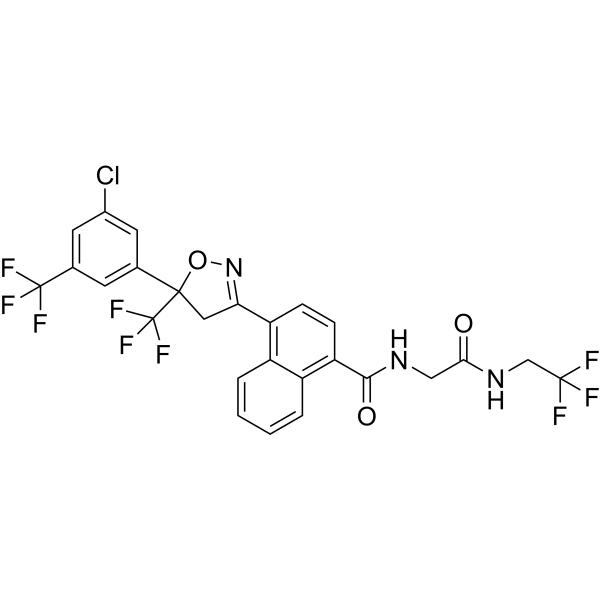 0 ImagesAfoxolaner is an orally active isoxazoline insecticide/acaricide against Ixodes scapularis in dogs. Afoxolaner acts on the insect γ-aminobutyric acid receptor (GABA) and glutamate receptors, inhibiting GABA & glutamate-regulated uptake of chloride ions, resulting in excess neuronal stimulation and death of the arthropod.
-
L-Allylglycine
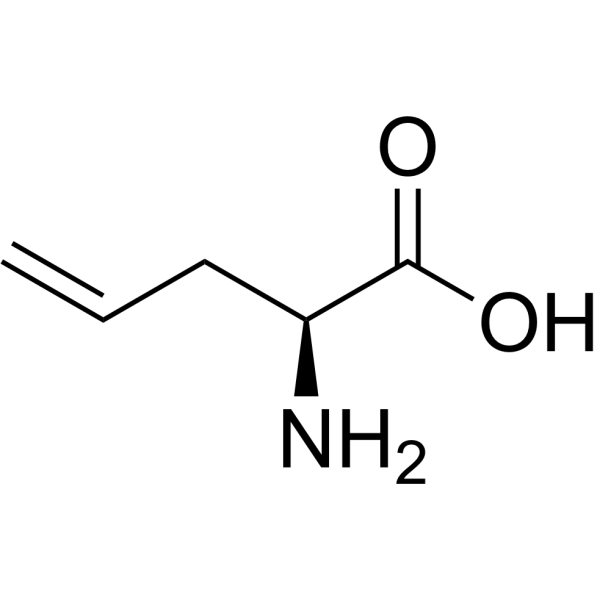 0 ImagesSynonyms: L-2-AllylglycineL-Allylglycine (L-2-Allylglycine) is an amino acid derivative. L-Allylglycine is an inhibitor for glutamate decarboxylase (GAD) that reduces the GABA biosynthesis in the brain. L-Allylglycine exhibits convulsant activity.
-
Bicuculline methochloride
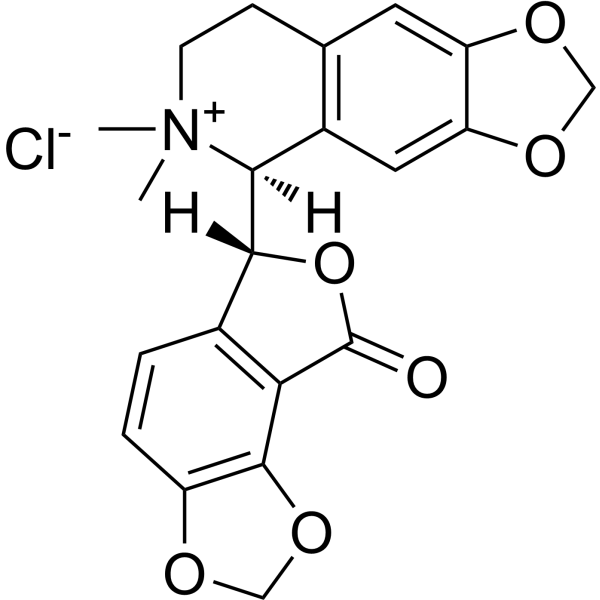 0 ImagesSynonyms: (-)-Bicuculline methochlorideBicuculline ((+)-Bicuculline; d-Bicuculline) methochloride is a selective GABAA receptor antagonist with an IC50 value of 3 μM. Bicuculline methochloride induces clonic tonic convulsions in mammals and can also be used to block Ca2+ activated potassium channels. Bicuculline methochloride can be used in studies of epilepsy and other related psychiatric disorders.
-
Fipronil
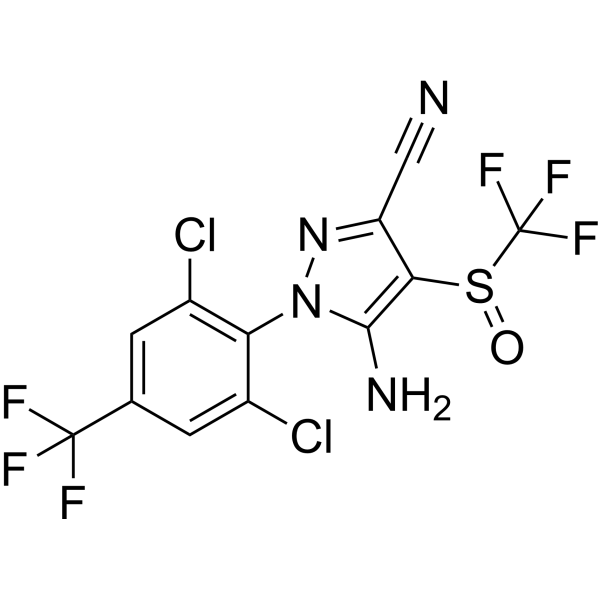 0 ImagesFipronil is a broad-spectrum insecticide effective against Lepidoptera species as well as thrips, locusts, ants, cockroaches, fleas and ticks. Fipronil selectively inhibits GABA receptor with IC50s of 30 nM and 1600 nM for cockroach and rat GABA receptors, respectively. Glutamate-gated chloride channels (GluCls), which are present in cockroaches but not in mammals, are sensitive to the blocking effect of Fipronil. Fipronil also induces apoptosis in HepG2 cells and promotes the expression of CYP1A1 and CYP3A4 mRNA in human hepatocytes.
-
γ-Aminobutyric acid (Standard)
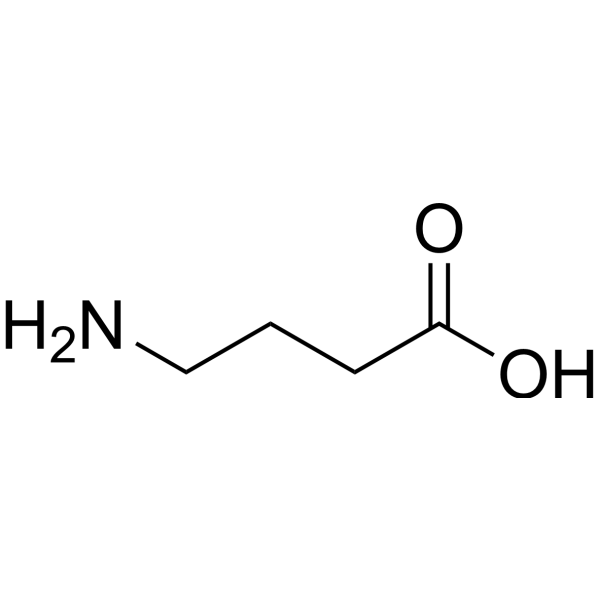 0 Imagesγ-Aminobutyric acid (Standard) is the analytical standard of γ-Aminobutyric acid. This product is intended for research and analytical applications. γ-Aminobutyric acid (4-Aminobutyric acid) is a major inhibitory neurotransmitter in the adult mammalian brain, binding to the ionotropic GABA receptors (GABAA receptors) and metabotropic receptors (GABAB receptors. γ-Aminobutyric acid shows calming effect by blocking specific signals of central nervous system.

-
Vigabatrin hydrochloride
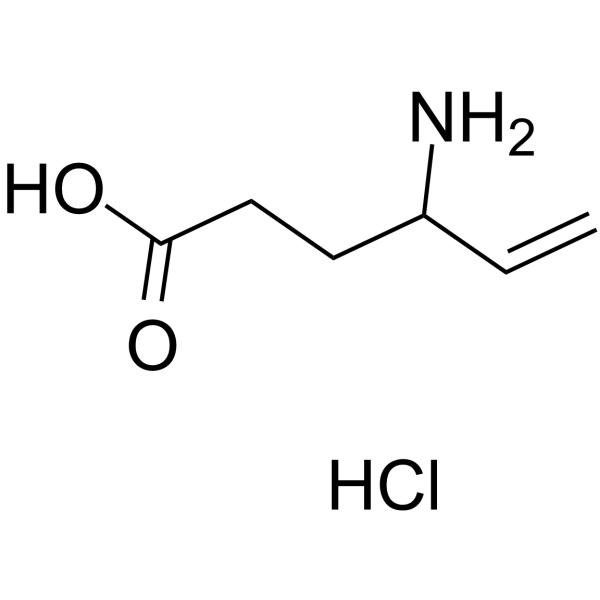 0 ImagesSynonyms: γ-Vinyl-GABA hydrochlorideVigabatrin hydrochloride (γ-Vinyl-GABA hydrochloride), a inhibitory neurotransmitter GABA vinyl-derivative, is an orally active and irreversible GABA transaminase inhibitor. Vigabatrin hydrochloride is an antiepileptic agent, which acts by increasing GABA levels in the brain by inhibiting the catabolism of GABA by GABA transaminase.
-
4-Acetamidobutanoic acid
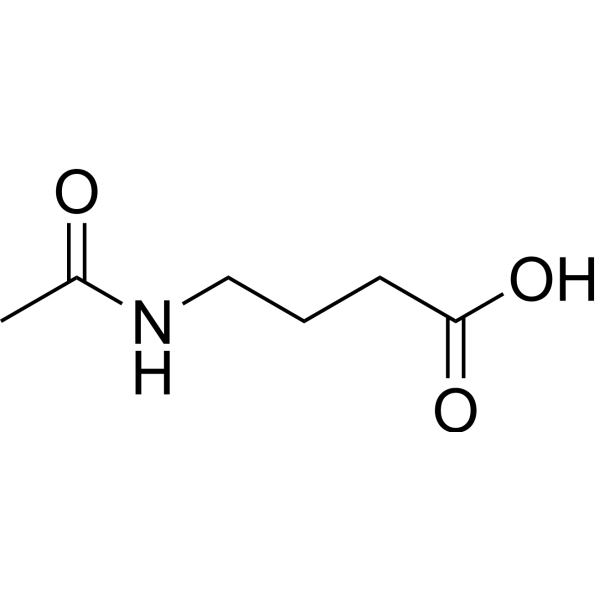 0 Images4-Acetamidobutanoic acid (N-acetyl GABA), the main metabolite of GABA, exhibits antioxidant and antibacterial activities.
-
Broflanilide
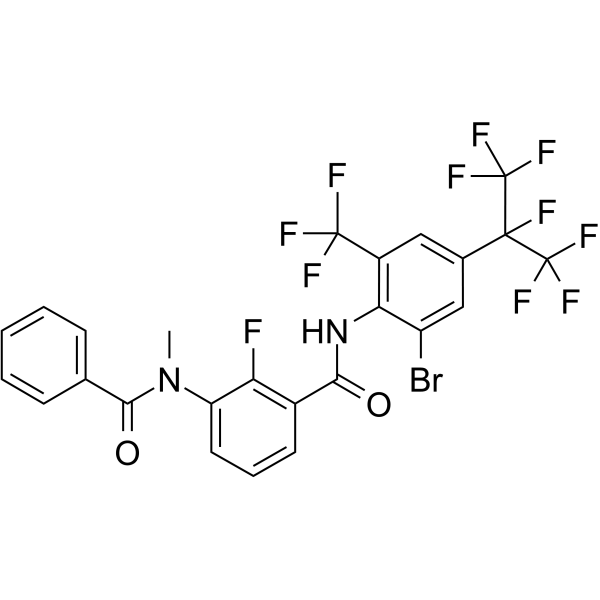 0 ImagesBroflanilide is a potential insecticide and metabolized to Desmethyl-Broflanilide, which is a potent antagonist at the insect resistant-to-dieldrin (RDL) GABA Receptor, and inhibits S. litura RDL GABAR, with an IC50 value of 1.3 nM.
-
Darigabat
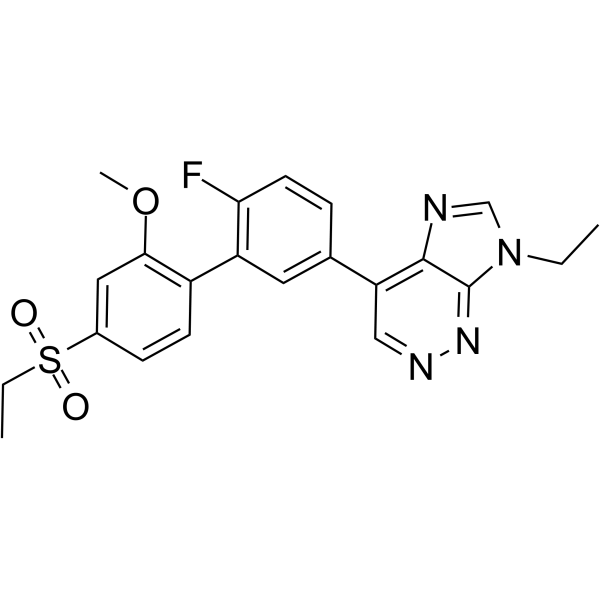 0 ImagesSynonyms: PF-06372865; CVL-865Darigabat (PF-06372865) is an orally active, α2/α3/α5 subtype-selective GABAA positive allosteric modulator (PAM). Darigabat is a high affinity ligand at GABAA receptors containing α1/α2/α3/α5 subunits (Kis of 2.9 nM, 21 nM, 134 nM for α2, α1 PAM, α2 PAM, respectively), with low affinity for α4/α6 subunits. Darigabat can across the blood-brain barrier (BBB). Darigabat has anxiolytic activity and has the potential for epilepsy.
-
Clomethiazole
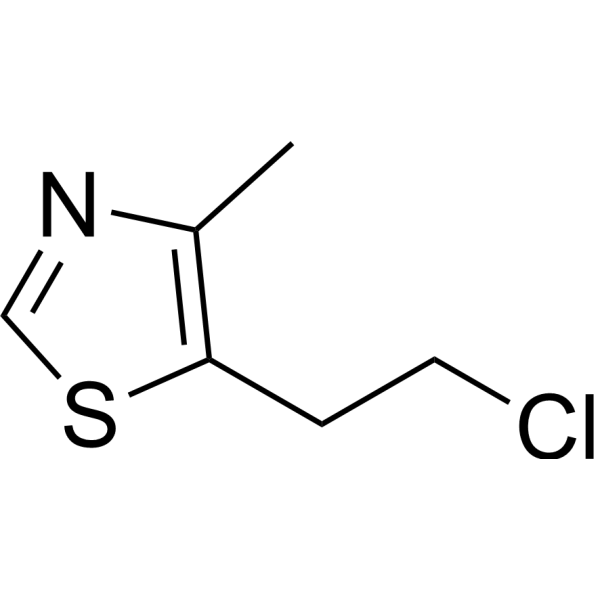 0 ImagesChlormethiazole is an potent and orally active GABAA agonist. Chlormethiazole inhibits cytochrome P450 isoforms: CYP2A6 and CYP2E1 in human liver microsomes. Chlormethiazole is an anticonvulsant agent and has the potential for treating convulsive status epilepticus.
-
Oxiracetam
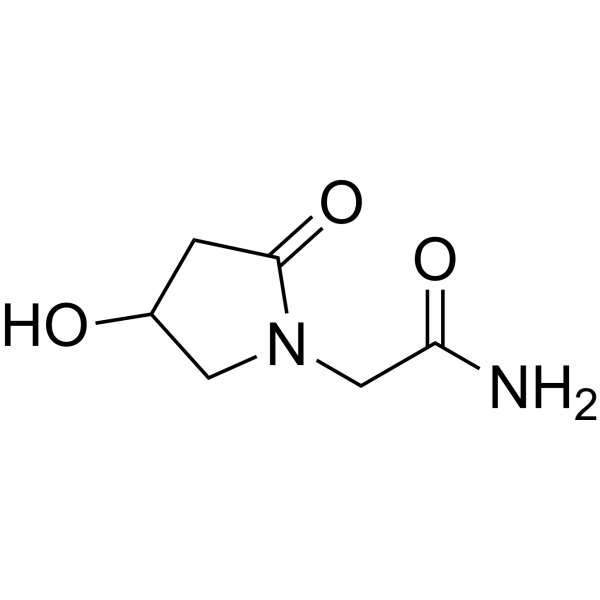 0 ImagesSynonyms: ISF2522Oxiracetam (ISF2522) is an orally active and a BBB-penetrable cyclic derivative of γ-aminobutyric acid (GABA). Oxiracetam reaches the hippocampus and cerebral cortex in high concentrations. Oxiracetam can promote cognitive function and regulate inflammatory response, with powerful neuroprotective effects. Oxiracetam can be used in the study of central nervous system diseases .
-
Miltirone
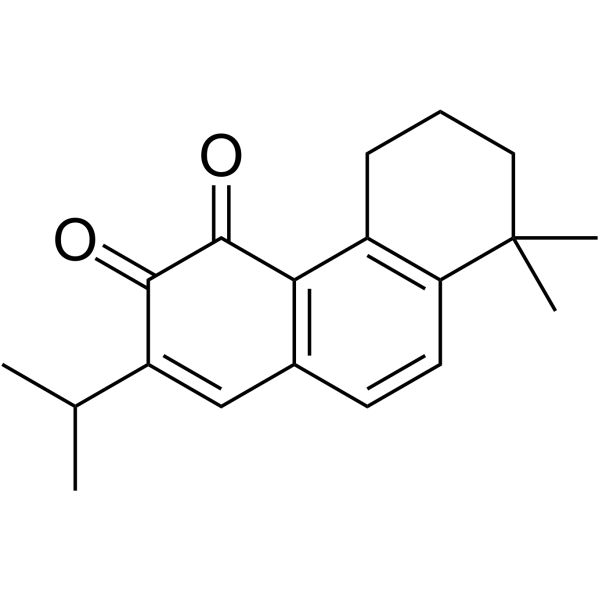 0 ImagesSynonyms: RosmariquinoneMiltirone is an orally active natural compound found in the root of Salvia miltiorrhiza. Miltirone is a central benzodiazepine receptor partial agonist, with an IC50 of 0.3 μM. Miltirone induces ROS - and-p53 dependent apoptosis. Miltirone inhibits carboxylesterase 2 (CES2; Ki = 0.04 μM) and SARS-CoV main protease (Mpro).
-
Emamectin Benzoate
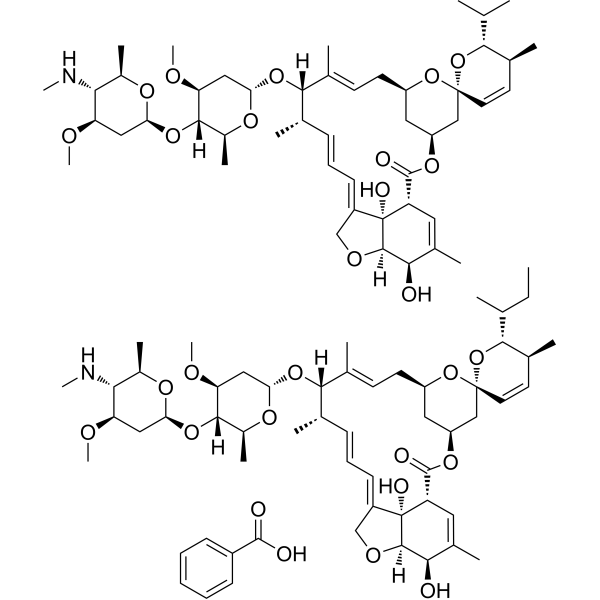 0 ImagesSynonyms: MK-244Emamectin Benzoate (MK-244) is an orally active nervoussystem toxicant by binding g-aminobutyric (GABA) receptor in insects. Emamectin Benzoate is one of semi-synthetic derivative of Avermectin (HY-15311) with a broadspectrum of insecticidal and acaricidal activity. Emamectin Benzoate induces ROS-mediated DNA damage and cell apoptosis. Emamectin Benzoate, a mixture of the natural Emamectin B1a benzoate and Emamectin B1b benzoate, has the main component of Emamectin B1a benzoate.
-
Acamprosate calcium
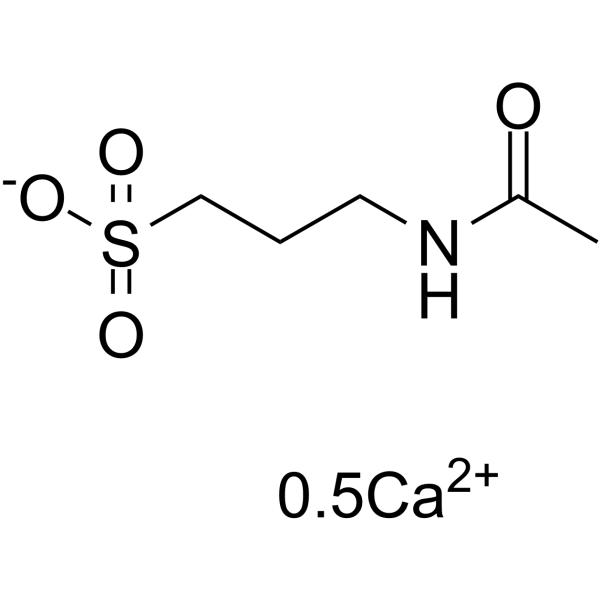 0 ImagesSynonyms: Calcium N-acetylhomotaurinateAcamprosate calcium(Campral EC) is a GABA receptor agonist and modulator of glutamatergic systems; reduces alcohol consumption in animal models of alcohol addiction.
-
Imidazoleacetic acid hydrochloride
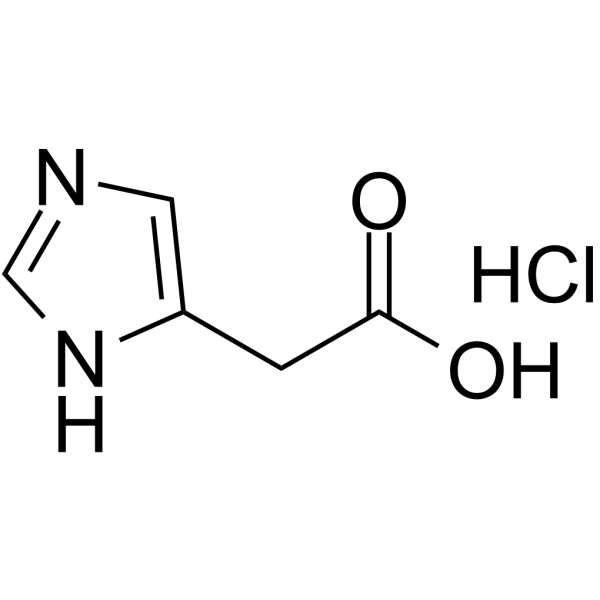 0 ImagesSynonyms: Imidazolyl-4-acetic acid hydrochlorideImidazoleacetic acid hydrochloride is a γ-aminobutyric acid receptor agonist. Imidazoleacetic acid hydrochloride inhibits GABA-T in a non-competitive manner, with a Ki value of 0.34 mM. Imidazoleacetic acid hydrochloride increases total free GABA in brain.
-
Selank
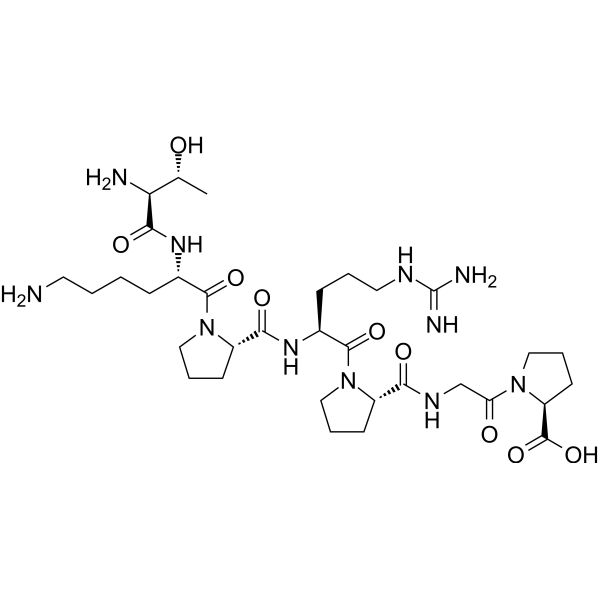 0 ImagesSynonyms: Selanc; TP-7Selank (Selanc; TP-7) is a GABAA receptor modulator with anxiolytic activity. Selank allosterically modulates the specific binding of GABA to GABAA receptors and alters the affinity of endogenous ligands for these receptors. Selank reduces elevated anxiety levels, attenuates stress-induced exacerbation of anxiety, and produces a synergistic anxiolytic effect with diazepam. Selank can be used in the research of anxiety disorders.
-
SCH 50911
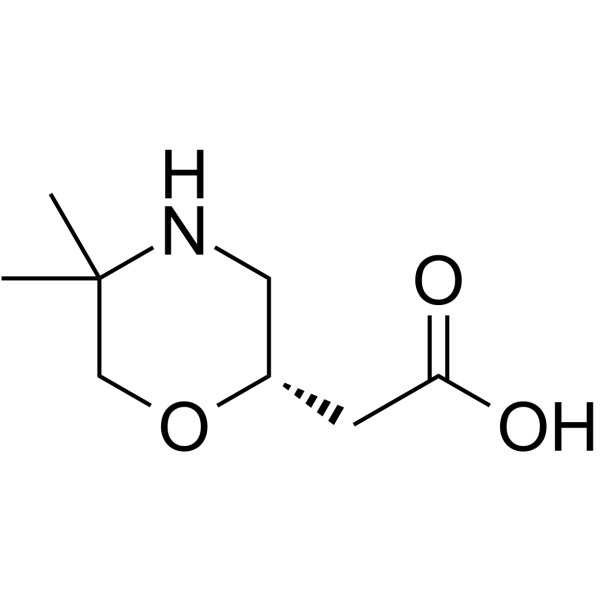 0 ImagesSCH 50911 is a selective, orally active, blood-brain barrier permeable GABA-B receptor (GABA-B Receptor) antagonist with an IC50 of 1.1 μM in rats. SCH 50911 blocks baclofen-induced antitussive effects, regulates neuronal firing and GABA release. SCH 50911 promotes spontaneous seizures during withdrawal in ethanol-dependent rats, alters reward-related neurotransmission, and reduces or suppresses lever responding and self-administration behaviors of alcohol and sucrose in rats. SCH 50911 is applicable to research related to ethanol withdrawal syndrome, absence epilepsy and alcohol use disorder.
-
Nipecotic acid
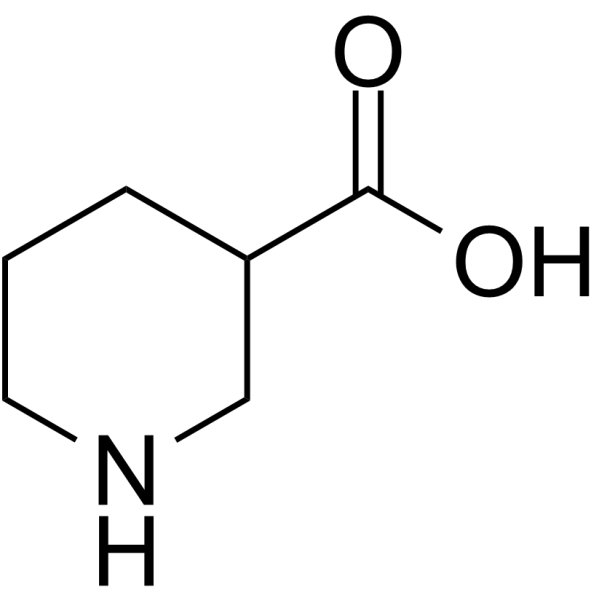 0 ImagesSynonyms: (±)-β-Homoproline; Hexahydronicotinic acid; 3-CarboxypiperidineNipecotic acid ((±)-β-Homoproline) is a potent inhibitor of neuronal and glial-aminobutyric acid (GABA) uptake in vitro. Nipecotic acid can also directly activate GABAA-like chloride channels, with an EC50 of approximately 300 μM.




